


Today, medicines for the treatment of prostatitis occupy far from the last place in terms of assortment variety among the medicines offered.And for good reason: prostate diseases are the most common pathologies of the reproductive system in men.
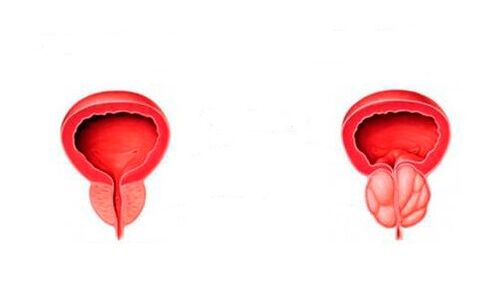
Prostatitis is an inflammatory process of the prostate.
Most often, inflammation of this organ is manifested:
- discomfort in the reproductive organs during or outside of urination;
- pain during ejaculation (ejaculation);
- unpleasant sensations in the pelvic region and external genitalia.
All this leads to a decrease in activity and general well-being, emotional instability and psychological disorders.If you suffer from these symptoms, you should consult a specialist immediately.
A qualified urologist will carry out the necessary diagnostic methods and help to deal with the disease.
Although it should be noted that the recovery process may take some time, it is easier to deal with minor dysfunctions of this organ than to start an irreversible process of developing fatal consequences, including prostate cancer.
General therapy provisions

As noted above, prostatitis is an inflammatory process and, like any inflammation, is most often caused by bacteria, so it is not surprising that medications for prostatitis are mainly antibacterial agents (antibiotics).
The next step in the fight against the disease is non-steroidal anti-inflammatory drugs.They have a positive effect by reducing prostate swelling by influencing microcirculation in this organ.The aim of this treatment is to reduce venous stagnation in the pelvis.
Another important point in managing a patient with reproductive system diseases is reducing pain.In most cases (especially in chronic or complicated forms of the disease), pain is the main complaint, so the doctor must help the patient deal with extremely unpleasant sensations in the external genital region as quickly as possible.
The final stage is an obstacle to the development of treatment complications and relapses in the future.

Here it is appropriate to prescribe drug correction of immunity, vitamin therapy, recommendations for improving health in general, which may include:
- low-fat diet;
- moderate physical activity;
- stay outdoors;
- compliance with basic rules of personal hygiene;
- give up bad habits (smoking, alcohol);
- routine medical examination every six months.
By following these simple rules, you can not only avoid complications, but also prolong your sexual activity.
First step: pest control
Experts conditionally divide antibacterial drugs for prostatitis into three main groups: fluoroquinolones, tetracyclines and macrolides, and less often cephalosporins.
Fluoroquinolones are considered the most effective in treating diseases of this organ due to several of their characteristics:
- affect most types of microorganisms that cause disorders of the genitourinary system;
- accumulate in the tissues of the gland, which provides maximum impact on bacteria;
- practically do not cause immunodeficiency after a course of therapy;
- do not cause resistance (resistance of microbes to the action of antibacterials of this class).
Other prominent representatives of the group of antimicrobial agents for inflammation of this organ are tetracyclines and macrolides.
Long before the advent of their improved companions, fluoroquinolones, these drugs helped to cope with prostate disorders of a bacterial nature.However, over time, microorganisms have become increasingly resistant to these two classes of medicines.In addition, these groups of drugs have a rather long list of side effects and contraindications.
It is worth noting that any antibacterial drug can have a spermatotoxic effect, which must be warned about in advance.It is undesirable to use antibiotics at least four months before the expected conception (complete cycle of spermatogenesis).
Step Two: Reduce Swelling
Medicines for prostate diseases that have a positive effect on microcirculation have proven themselves in the modern treatment regimen for prostate diseases.They contribute to the complete supply of medicinal compounds to glandular tissues through the bloodstream, improve the outflow of secretions from the ducts of this organ, increase metabolic processes in cells, which generally helps the body to cope with inflammation.
Among this group of medications are nonsteroidal anti-inflammatory drugs (NSAIDs).Most often, two forms of drugs from this series are used:
- rectal suppositories - due to the local action of the drug, the effect appears relatively faster, which reduces the frequency and duration of administration;
- drops - taken orally.The course lasts twice as long as using rectal suppositories.Prescribed 15 drops before meals, 4 times a day.
To help the patient
Medicines for the treatment of prostatitis, the main direction of action of which is immunocorrection and pain relief, are not specific.But they can still alleviate the patient's situation and reduce the risk of reinflammation.
To reduce pain, your doctor may prescribe pain relievers orally (orally) or rectally (suppositories and microenemas).At the same time, taking pills gives a relatively short-term effect, but is more convenient to use.
Specific therapy
Recently, more effective medications for prostatitis, which have a narrow focus on action on the body, are increasingly being prescribed.All of them combine and act on the tissues of the gland, at the same time they have a beneficial effect on the cells of the organ, increasing their metabolism and the processes of restoring functions.
Combined medicines are convenient to use, but do not forget about the generally accepted treatment regimen for prostate inflammation.It is best to consult a specialist about how to take these medications.
Hormone therapy for prostatitis
Increasingly recently, medications with male sex hormones are prescribed as part of the general treatment regimen for prostate inflammation.But it is important to remember that they must be taken with great caution and, before prescribing, make sure that they are necessary for the patient.
Patients suffering from this disease have noticed a decrease in the quality of their sexual life for a long time.Among other things, these patients suffer from depression and apathy due to their sexual inferiority.Hormone therapy will help to cope with sexual dysfunction and improve a person's general condition.
Whatever medications the urologist recommends for your recovery, do not forget that the key point in treating any disease is strict compliance with the doctor's instructions and prescriptions, early diagnosis and taking care of your health.
And regardless of the likelihood of relapse, do not neglect prevention.It is better to prevent a disease than to treat it.